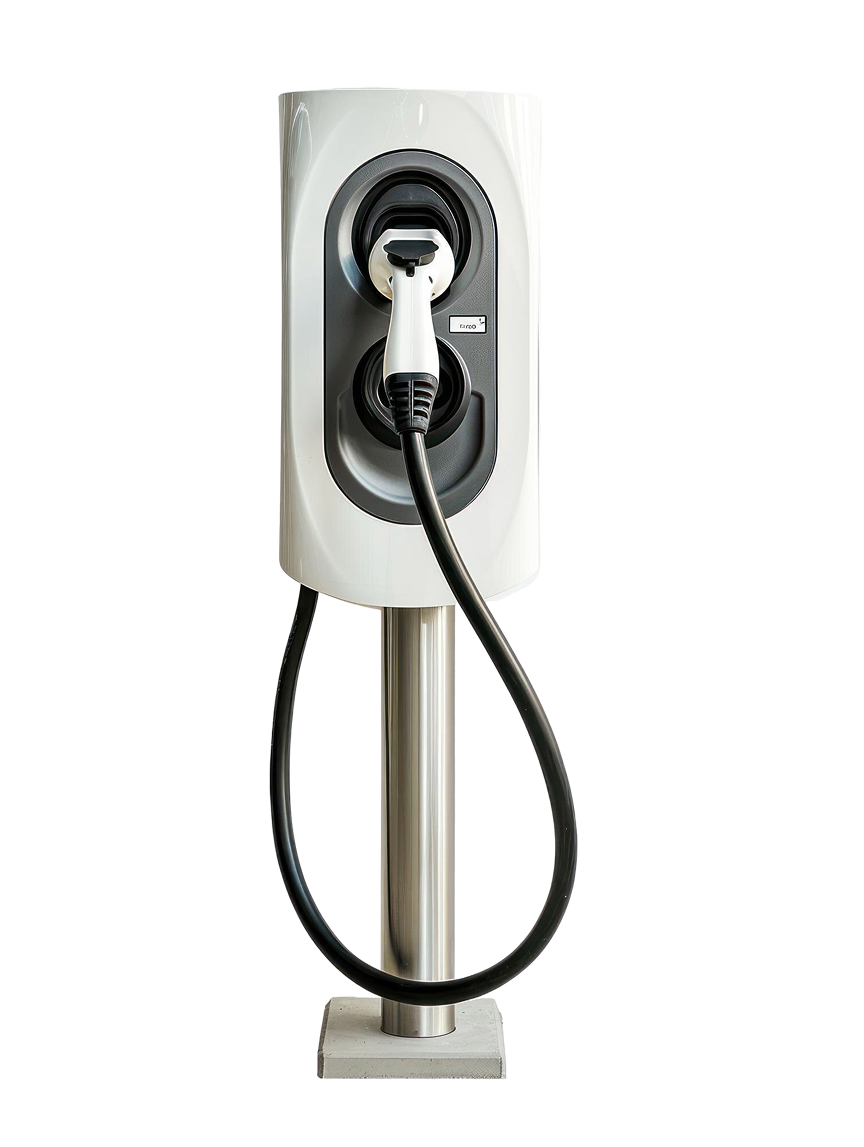

AMPECO is a global leader in EV charging software — the most flexible and scalable product on the market, operating in more than 130k chargers in 70+ countries worldwide.
When I came in, there was no CRO function. No tools, no process, no shared definition of a conversion-optimized page. Every page went through the same loop most SaaS teams face:
Idea → copy → design → new copy → redesign → opinion → redesign again.
The real problem wasn’t speed. Marketing wanted to explain a complex product in full, and the web gives you seconds. Every team contributes to that — marketing just feels it most.
AMPECO isn’t something you can audit in a week. Before touching any page, I went deep on how the platform works and what job each page does in the buyer journey.
Biggest unlock: finalize copy and structure before anything goes to design. One source of truth — intent, message hierarchy, page job — locked in upfront.
We built a Figma template and a step-by-step process doc. Simple in theory. Hard in practice — it forces marketing to make decisions early instead of deferring them into design rounds.
The marketing team’s instinct to explain the full product was right in spirit, wrong on the web. We fixed it three ways:
The real shift was one question we now ask of every element: what’s the intent behind this? If we can’t answer cleanly, it doesn’t ship.
Marketing can now produce copy and a working prototype in hours, not weeks — directly from their side of the process.
The challenge AI introduces isn’t speed. It’s user journey integrity. Faster output makes it easier to ship things that look polished but don’t think clearly. So the process keeps evolving: where AI accelerates, where human judgment is non-negotiable.
The team moved from reactive rework to a process everyone understood. Each role knew what they owned and what happened if a step got skipped — because we all learned that skipping a step meant redoing it later.
The engagement is ongoing. We continue to integrate AI, measure performance, and refine based on what the data shows.
“For the first time, everyone on the team knew what we were building, why, and how to measure it.” — Attribution pending
Working with the AMPECO team is a privilege. They’re motivated, proactive, sharp — the kind of people who make you better just by being in the room. Process matters, but people matter more. This one works because of them.
is lost annually to sales and marketing misalignment across businesses worldwide.
Source — HubSpot · Industry Research
15-minute no pressure call. No pitch. If we’re a fit, you walk away with a CRO Blueprint built for your business — delivered within 48 hours and yours to keep, whether we work together or not.

We’ve worked on a couple of enterprise projects together, and here’s my honest take: most consultants at this level take themselves very seriously. Miro doesn’t, which is exactly why I trust him. He’s direct, he’s funny, and he doesn’t dress things up — if something’s not working, he’ll tell you, then help you fix it, and somehow makes the whole thing enjoyable. Underneath the easy manner is someone who actually knows what he’s doing across every part of the stack (design and dev). That combination is rare. I keep finding reasons to work with him.